Shakadoo

Everything to do with your shak.

  • Home
  • About Us
  • Advertise
  • Contact Us
  • Press
  • Privacy Policy
You are here: Home / Archives for permafrog

Landscaping Improves Your Property’s Value

by permafrog Leave a Comment


Dogwood
Add a shrub and improve your property, not just in
appearance but in value. However, if you plan on adding a single shrub or tree, pick one that is mature enough to look like it has been there for sometime. New shrubs and trees may not give you the value you seek. Invest a little more and get back more. Landscaping is a value added activity.

Before you start your landscaping project consider this; how long do you plan to
live in this home? If this is a starter home, one you plan on inhabiting for
only a few years, then you may want to keep your design simple, A shrub or two
and a few perennials can do the trick.

Or are you putting down roots and plan to remain in this house from now on? The
answer to these questions, plus, your interest in gardening, and how much
leisure time you have will help determine the final design.
 

Another important question is how do you use the front yard?
The front yard is frequently for display. It is the face you show the
neighbours and others who drive and walk by. Friend and family gatherings, such
as BBQs, usually take place out back. The back yard is where the children play.

Are you planning to sell, then remember this, the front yard is what a
prospective buyer sees first. First impressions are lasting impressions. What
the buyers see as they drive up will influence how they view the interior. You
must create a strong and positive first impression.

Gardening Planning Questions:

How much sun and shade does the yard receive? The answer will determine your
plant choices. The right plant, right place philosophy is a good guide to successful
landscaping.

How much time do you have for maintenance? If your free time is at a premium
then low maintenance perennials may be the answer.
 

Do you enjoy cutting
the lawn? If not consider reducing the amount of space that you devote to lawn.
Replace grass with a rock garden, shrub or tree.

Do you want to have a different effect each spring and summer? Annuals allow
you to change the look each year and provide colour throughout the seasons.

Are you interested in a naturalized look? Then native plants are what you need.
What grows where you live? Visit a local nursery and talk with the experts.

Is fragrance an element you wish to include? Many herbs add beauty and
fragrance to your garden. A rose bush or two may be just what you need. Buy
quality.Take some time and create a plan that suits you; this effort
is an investment in your home and your future.
+1
Tweet
Share
Share
Pin
Shares 0

The Butterfly Garden: Two

by permafrog Leave a Comment

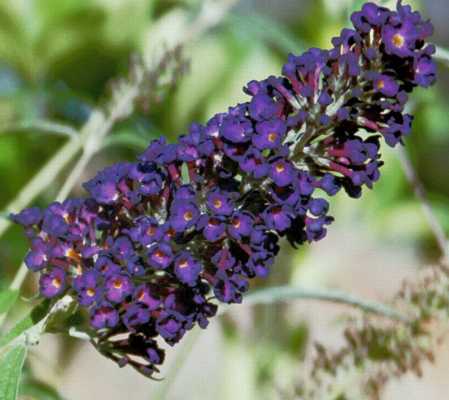
Butterflybush_lg_2
I
f you want your butterfly garden to thrive and come alive, there is one
simple technique that will help you. When you put the right plant in the right
place, you ensure that those plants will flourish. The first step is to know
your zone, your plant hardiness zone that is. This will tell you, that the
plants you choose, will enjoy and embrace their home. When your flowers are at
their peak their power to attract butterflies is magnetic.

Keep the butterflies coming by selecting perennials. Picture your garden as a
canvas. A canvas, upon which, you are going to
paint a picture that is rich in colour, texture and variety. Select perennials and the butterflies will come back the following year, and maybe more. When they return the flowers will beckon the butterflies to them.

When you can, spend time observing
gardens where the butterflies are plentiful. How many different butterflies are
there, species, variety? Which butterflies visit and stay at which plants?

To complete the painting and achieve a visual symmetry, determine if you can  tie your
garden into existing features of your home and lawn such as paths, pond(s),
hedges or walls? Is it to be a border viewed from one side, or an island that
is to be viewed from several directions?

Is it to be formal in design and
content, or a more informal mixed border or "cottage" garden? Will it
be mostly in the sun or in the shade?  The answers to these questions will shape your
selection of plants and their arrangement, as well.

+1
Tweet
Share
Share
Pin
Shares 0

The Natural Garden:Flying Flowers;

by permafrog Leave a Comment

Pale_swallowtail_butterfly_on_a_mon


Part One:

What would a garden be without butterflies? These flying wonders do more
that add beauty. You can design your garden to make sure that butterflies not
only visit but move in and raise their family.
 

What  butterflies are native to your region? A
visit to your local library may help with this, or if you have a Nature Society,
start there. Like any successful garden, the butterfly garden requires some
research and planning. You will need to know what they like to eat and where
they sleep, in short, you need to know butterfly habitats and habits.

Butterflies have
large, rounded compound eyes which allow them to see in all directions without
turning their heads. Like most insects, butterflies are very nearsighted, and
are more attracted to large stands of a particular flower than those planted
singly.

Butterflies are unable to see the colour red, but they can see polarized light
as well as ultraviolet light. This ability
guides them to nectar sources. When you set out the feast (nectar) the butterflies will flock.

Butterflies also have a very well-developed sense of smell from their
antennae. All butterflies’ antennae are club-shaped, as opposed to moths, which
can be many shapes but often are feathery.

As you gain knowledge about your native butterflies, you learn what they enjoy
for lunch.
Different species of butterflies have different nectar preferences, in both
colors and tastes. Provide a wide range of plant possibilities and the
butterflies will fly to the feast.

Butterflies will not move in if you only provide a meal. They will visit but will not stay and bred. So, you need to know which plants they choose for laying their eggs. Diversity is the key word here, ecosystems thrive on diversity. Designing for butterflies provides you with an opportunity to explore and have some fun. Butterfly gardening enables you to engage your imagination.

My next post will examine plant selection, always
bearing in mind this basic guideline, right plant, right place.


+1
Tweet
Share
Share
Pin
Shares 0
« Previous Page

Subscribe to the Shak

Copyright © 2023 · Shak Media · All Rights Reserved